Understanding PPE Regulation
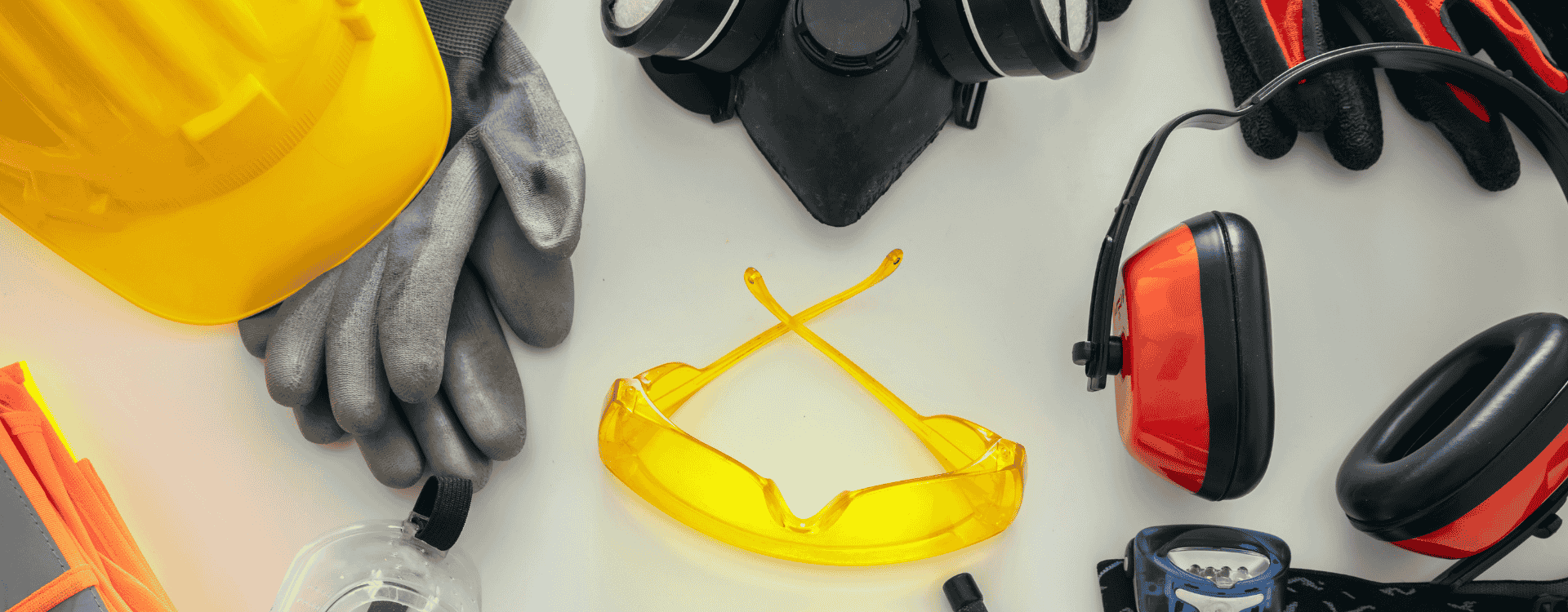
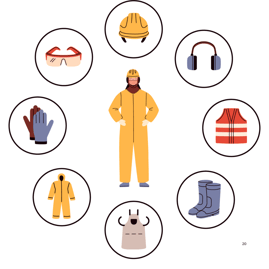
Personal Protective Equipment (PPE) refers to any equipment designed to protect workers against health and safety risks at work. This includes helmets, gloves, eye protection, safety footwear, high-visibility clothing, respiratory protective equipment, and fall protection devices.
PPE regulation exists to ensure that this equipment effectively protects workers from identified hazards. Regulations define requirements for design, manufacturing, certification, use, and maintenance of PPE.
For employers, PPE regulations provide a clear legal framework to reduce occupational risks and ensure compliance with workplace safety obligations.
Importance of PPE Regulation
PPE regulation plays a critical role in occupational health and safety. Its importance can be viewed from three key perspectives:
-
Legal responsibility: Employers are legally required to provide suitable and compliant PPE. Failure to do so can lead to sanctions, fines, or criminal liability.
-
Financial and operational impact: Workplace accidents result in downtime, compensation costs, reputational damage, and productivity loss.
By complying with PPE regulation, companies protect their workforce while securing business continuity and regulatory compliance.
Key Elements of PPE Compliance
Achieving PPE compliance is not limited to purchasing equipment. It requires a structured and documented approach:
.png?width=1920&height=750&name=Banni%C3%A8re%20image%20Blog%20-%20Beepiz%20(4).png)
These elements are essential to ensure PPE provides real protection rather than a false sense of security.
Differences in PPE standards
PPE standards differ across regions and regulatory frameworks:
Companies operating internationally must understand these differences to ensure consistent PPE compliance across all locations.
Ensuring workplace safety with PPE
While PPE is a critical safety measure, it should never be the sole line of defense. PPE is most effective when combined with:
-
Risk prevention and hazard elimination measures
-
Clear safety procedures and training
-
Continuous monitoring of working conditions
Modern workplace safety increasingly relies on technology to complement PPE. Connected safety solutions help monitor risks in real time, improve incident response, and enhance protection for workers, especially those working alone or in isolated environments.
.png?width=1920&height=750&name=Banni%C3%A8re%20image%20Blog%20-%20Beepiz%20(5).png)
Ensuring PPE compliance to protect workers and business performance
PPE regulation and safety standards are fundamental to workplace safety and legal compliance. Understanding regulatory requirements, applying industry-specific standards, and ensuring proper PPE compliance significantly reduce occupational risks.
However, PPE alone is not enough. Combining compliant equipment with effective prevention strategies and connected safety technologies enables companies to protect their employees more efficiently and sustainably.
Assess your PPE compliance today and strengthen your workplace safety strategy with Beepiz.